


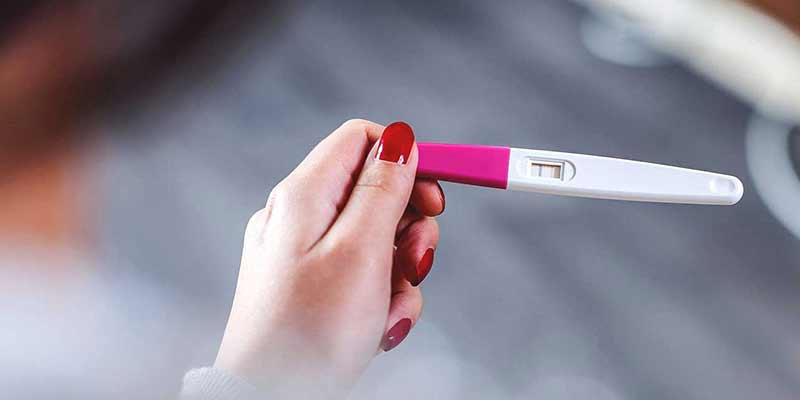
Preparing for Pregnancy
If you’ve decided the time is right to prepare for pregnancy – congratulations!
You may have been thinking about babies for some time, and can’t wait to get started. It’s important to bear in mind that it’s completely normal for you to conceive anytime in the first twelve months of trying.
After this time, your fertility can be investigated should you be concerned that you haven’t yet conceived. So, what’s the next step?
Here are some things to think about, now that you’re ready to prepare for pregnancy.
#1: Visit Your GP
Visit your GP to get the ball rolling with your conception journey. From here, ask for a referral to a women’s health or reproductive specialist to do all the usual check-ups, for example a pap smear, general health assessment and more. If you can find a doctor who is supportive of both Eastern and Western medicine, it can bring the best of both worlds to your healthcare.
#2: Make Any Changes To Your Diet
You don’t need to follow a strict regime that’s impossible to keep up with, but you should aim to be in the healthy weight range for your body. Being underweight or overweight can impact fertility and can cause health complications during pregnancy. For example, a study found women reduced their risk of gestational diabetes by 83%, simply by adopting a healthy lifestyle before they conceive. Those who adopted a healthy lifestyle during pregnancy reduced their risk by half. Women who ate healthy foods, exercised for 150 minutes per week, had a BMI of less than 25 and did not smoke were 83% less likely to develop gestational diabetes than women who did not meet the healthy lifestyle criteria .
#3: Start Taking A Prenatal Multivitamin
While babies are wired for survival, it’s important to make sure you have a good supply of vitamins and minerals. While we can aim to eat super healthy, due to over-farming, our foods don’t contain the rich number of nutrients that they once did. By taking a good quality prenatal multivitamin, you’ll not only be helping to prevent any possible health problems for your baby, but you’ll avoid suffering from a deficiency yourself. It can leave you feeling flat and less than 100%.
Ideally, start taking prenatal supplements three months prior to conception, but if you hope to conceive sooner than this, start right away. These vitamins and nutrients are most crucial in the first trimester, as the brain and spinal cord are developing.
#4: Check Your Medical Insurance
If you have private medical insurance, you’ll need to make sure it’s up to date, and you have the level of cover you need for maternity care. Of course, this is only if you intend to: Attend a private hospital Have a private obstetrician، Most private health funds require you have appropriate cover for at least 12 months prior to your baby being born. Make sure you check waiting periods. Most private health funds will cover your newborn baby (within a certain time frame) if he or she is admitted for any reason during this time. However, some funds have exceptions and limits, so it’s important to check with them first.
#5: Stop Smoking
There is no safe level of smoking, no matter if you are trying to conceive, pregnant or otherwise. Smoking impacts your health, your immune system, your fertility and unborn babies. Smokers also may have a harder time conceiving with IVF. Men who smoke may have reduced semen volume, reduced sperm count and more abnormal sperm compared to non or ex-smokers. Toxins found in tobacco smoke, such as cadmium, nicotine, lead and radioactive elements may be directly toxic as they circulate in the blood and reach the testes. It is not yet known whether this affects the fertility or health of the children of men who smoke. So if you are a smoker, now is a great time to stop.
#6: Visit Your Pharmacist
If you’re taking any medications, check with your pharmacist to see if they are safe during conception or pregnancy. Many medications are not recommended to take when pregnant or breastfeeding, because there is not enough research on pregnant women, unborn babies and medications (you could understand why research during pregnancy can be a complicated matter). Your pharmacist is a fantastic resource for medication information throughout conception to breastfeeding, as they’re usually the most experienced and up-to-date professionals as far as medications go. It can be helpful to let them know you’re trying to get pregnant, are pregnant or breastfeeding, so they can advise you as best possible. Getting a second opinion on medications from your pharmacist is a great idea too, as sometimes other medical professionals are not up-to-date.
#7: Get Moving
Exercise! As discussed earlier, women who exercise in the preconception period have much to gain as far as healthy pregnancies go. You don’t need to be a gym bunny, but aim to at least head out for a 30-60 minute walk every day, ideally with your partner so you can support one another. After all, it takes two to conceive, and his health matters too! Walking together also presents a great opportunity for connection time – try it and you’ll see, you’ll end up having some great conversations. You’ll also be getting a dose of vitamin D if you walk in the sunshine, which is highly beneficial for fertility, mood and your immune system. To motivate yourself, you can make up a little game where you’re not allowed to talk about babies all day until you go on your walk! Alternately, you might like to sign up at the local gym or for a fitness class if you prefer. Or perhaps there’s a sport you once played, or would love to play – this can be a fun way to keep your body healthy. The fitter you are, the better your body will be able to cope with the demands of pregnancy, as well as childbirth. Giving birth is like a marathon after months of training!
#8: Ask Your Family About Their Health History
If your family has a history of genetic disorders or health problems, you may like to bring this up with your care provider, who can refer you to a genetic counsellor. Even if you aren’t aware of any previous health problems in your family, it doesn’t hurt to have a chat to your family about it, as sometimes they don’t think or remember to tell you. You might be surprised to find a history of miscarriage, premature birth, preeclampsia (high blood pressure) or others.
#9: See Your Dentist
Have a check up with your dentist to make sure your teeth and gums are healthy before you get pregnant. Once you’re pregnant, not only can you be more prone to teeth and gum issues, but you may not be able to have certain treatments once you’re pregnant. Making sure any potential problems are seen to before pregnancy is a good idea.
#10: Reduce Caffeine Intake
There are so many differing conclusions made about the effect caffeine has on fertility. One study from Macquarie University, is an interesting read. According to the The Australia New Zealand Food Authority’s report on on the safety aspects of dietary caffeine (2000), the below foods contained the following amounts of caffeine: Instant coffee (1 teaspoon/cup) 60-80 mg/250 mL cup Percolated coffee 60-120 mg/250mL cup Tea 10-50 mg/250 mL cup Coca Cola 48.75mg/375 mL can Milk Chocolate 20 mg/100g bar Energy Drinks (e.g. Red Bull) 80 mg/250 mL can Energy drinks like Red Bull are not recommended in pregnancy, so steer clear of those which are really bad for you anyway. All other drinks, keep to a minimum or find caffeine-free alternatives.



Post a Comment
You must be logged in to post a comment.